How Chiptuning Impacts Warranty and Insurance
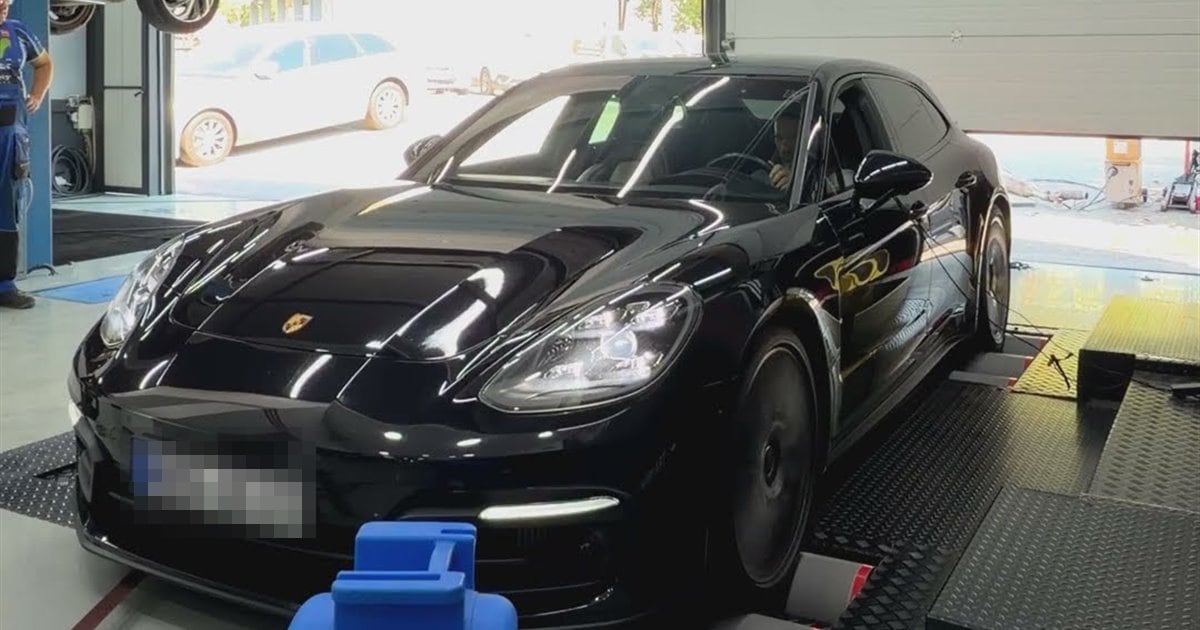
First off, let’s dive into the warranty side of things. Many manufacturers are pretty strict when it comes to modifications. If you chiptune your vehicle, they might see it as an alteration that could void your warranty. Think of it like making changes to a recipe. If you toss in a secret ingredient but don’t mention it to the chef, they might not be willing to stand by the original dish if it goes south. So, before you rev up the tuning game, it’s wise to check with your dealership. Some brands offer different levels of performance packages that won’t mess with your warranty—so it’s worth exploring those options!
Now, what about insurance? Well, that’s another ballpark. Some insurance companies love modifications and might even drop your premium if they see your upgraded engine as a safety enhancement. But many others? Not so much. They might view chiptuning as a risk factor and hike your rates. It’s kind of like playing roulette; you can win big, or you could lose your shirt!
So, if you’re considering chiptuning, have a chat with your insurer. Ask how modifications will impact your policy. Knowledge is power, right? In the end, ensuring you’re covered is just as crucial as that adrenaline rush from zipping down the highway in a tuned-up ride.
Chiptuning and Your Car’s Warranty: What Every Driver Needs to Know
Most manufacturers offer warranties to protect you against defects and malfunctions, but here's the catch: tweaking your car’s software can sometimes void that warranty. It’s a bit like modifying a brand-new smartphone; if you jailbreak it, you might lose your warranty coverage. Many car makers claim that any alterations, including chiptuning, can cause engine problems or other issues, leading them to deny warranty claims. That can leave you in a lurch if something goes wrong.
So, what’s a savvy driver like you to do? First, it’s essential to do your homework. Check your car's warranty booklet—some manufacturers are more lenient than others. In Europe, for instance, the law is a bit kinder on the side of car enthusiasts, giving them more leeway when it comes to modifications.
Also, consider using reputable tuning companies that offer products designed specifically for your vehicle. Some of these companies understand the importance of maintaining your warranty and may provide solutions that keep you covered. Think of it like working with a certified mechanic; they know the ropes and can help you avoid pitfalls.
Ultimately, balancing performance gains and warranty coverage boils down to informed decisions. So, as you ponder the idea of chiptuning, keep these factors in mind, and make sure your ride feels thrilling without endangering your warranty protection. Who wouldn’t want the best of both worlds?
Insurance and Chiptuning: Are You Risking Your Coverage?
Insurance companies are like that strict teacher from school: they love the rules, and when you start messing with the factory settings of your vehicle, they might not be thrilled. Chiptuning can significantly enhance your car’s horsepower and torque, making your drive more exhilarating, but it also signals to your insurance provider that you’ve modified your vehicle. This could lead to some grey areas in your coverage.
Picture this: you’ve got a shiny sports car that now benefits from all that extra oomph, but in the event of an accident, your insurance company could decide that your modifications mean you’re not covered. Imagine them saying, “Well, that turbo boost wasn’t in the original contract, buddy.” Yikes! It’s like throwing a surprise party for someone who hates surprises.
Here’s what you need to do: always disclose any modifications you’ve made, including chiptuning, to your insurer. It might seem like a hassle, but being upfront can save you a heap of trouble down the line. Think of it as giving your insurance policy a happy little upgrade—just like your car. Overall, knowledge is power, and understanding the impact of tuning on your insurance can help you drive without a worry in the world. After all, who wants to be caught off guard when they’re cruising down the open road?
The Hidden Costs of Chiptuning: Exploring Warranty and Insurance Implications
Picture this: you’ve just invested in chiptuning and you’re cruising down the highway in a car that feels like a rocket. But hold on! That upgraded performance might come with strings attached. Many car manufacturers are notorious for including clauses in their warranties that essentially nullify coverage if any modifications, like chiptuning, are made. It’s like baking a cake and being told you can’t eat it because you added sprinkles!
Now, let’s talk insurance. You might think your policy covers everything, but those modifications could raise a red flag with your insurer. If you have an accident and they find out that your car has been chiptuned, they might just decide to play hardball. Your claim could be denied, leaving you holding the bag—and that’s a bag you definitely don’t want to be carrying. Imagine investing in a sleek, tweaked vehicle only for a mishap to turn your dream into a nightmare!
So, as much as you may want that adrenaline rush from your car’s upgraded performance, it’s crucial to weigh the hidden costs: the potential loss of a warranty and the risk of an insurance disaster. It’s your ride, sure, but don’t let that thrill blind you to the shadows lurking behind the shiny upgrades.
Chiptuning Dilemma: Performance Gains vs. Warranty Losses
Chiptuning, for those who might be new to the scene, is the process of modifying your car’s electronic control unit (ECU) to boost performance by altering how the engine operates. It’s like giving your vehicle a hearty espresso shot—it wakes it up and makes it fun to drive. Who wouldn't want to feel that rush as you press the accelerator? But wait—here’s the catch. When you push your car's capabilities, you could inadvertently void your warranty. That’s right; that shiny deal you signed at the dealership could fly out the window faster than your new turbocharged speedster.
So, what’s a speed-loving driver to do? It’s a classic case of weighing the benefits against the risks. On one hand, improved horsepower and torque could turn your mundane commute into a thrilling adventure. On the other hand, your peace of mind might crumble if an unexpected repair surfaces, and the dealership shakes its head at your newfound power.
Think about it like this: it’s like jumping headfirst into a pool. You're exhilarated by the splash but remember the looming risks—like the depth of the water or the possibility of belly flopping. Chiptuning, too, opens up a world of excitement, but are you ready to accept the potential fallout?
Navigating the Fine Print: How Chiptuning Affects Vehicle Insurance Policies
First off, let’s break it down. Chiptuning tweaks your engine’s computer to deliver more horsepower and torque, which can be thrilling. But here’s the kicker—this modification can be perceived as an alteration to your vehicle's risk profile. Insurance companies often view high-performance vehicles as more prone to accidents, leading to potentially higher premiums. Think of it like making a cake: if you add extra sugar, it might taste sweeter, but it also demands more attention from the baker!
You might be wondering, “Will chiptuning automatically void my insurance?” Not necessarily. However, the key lies in informing your insurer about the changes. Ignoring this could lead to claims getting denied down the line, which is like driving with a flat tire—uncomfortable and risky! Always read the fine print; many policies require you to disclose modifications so they can adjust your coverage accordingly.
Also, some insurers may even offer discounts to those who have tuned their cars for better fuel efficiency rather than raw speed. It’s like getting rewarded for being eco-conscious while still having fun! Therefore, navigating this fine line between performance and insurance isn’t just smart; it’s crucial. Keep those conversations with your insurer open, and don’t be blindsided by the intricacies of the fine print.
Boosting Performance or Voiding Coverage? The Chiptuning Quandary for Drivers
So, what's the deal? On one hand, tuning your engine can enhance horsepower and torque, making those exhilarating mountain drives even more thrilling. A little adjustment can mean better acceleration and improved fuel efficiency. It’s like treating your car to an espresso shot! But here's the snag: many manufacturers outright warn that such alterations can void your warranty. You might save a few bucks at the pump now but risk hefty repair costs later if something goes wrong.
Now, let’s think about this: would you risk your whole insurance policy just to shave a couple of seconds off your lap time? Probably not! The reality is that performance enhancements are like playing with fire. They can ignite your engine's potential, but they can also lead to unexpected issues down the line. One moment you’re zipping along the highway in sheer exhilaration; the next, your dealer informs you your warranty won’t cover that broken transmission because of the changes you chose to make.
It's a classic case of weighing the thrill against potential risks. For many drivers, the chiptuning quandary becomes a game of “what-if” that can lead to some serious, long-lasting consequences. Are those extra ponies really worth it? That’s the question every driver must consider.
Frequently Asked Questions
Can I Tune My Car Without Affecting Warranty Claims?
Tuning your car can potentially affect warranty claims, especially if modifications lead to damage or non-compliance with manufacturer specifications. It’s crucial to check your warranty’s terms and conditions. Some manufacturers offer ‘factory-approved’ modifications that won’t void the warranty. Always consult with your dealer or a qualified professional before proceeding to ensure that your warranty remains intact.
Will Chiptuning Increase My Insurance Premiums?
Modifying your vehicle’s performance through chiptuning can potentially lead to increased insurance premiums. Insurance providers may view enhancements as a higher risk, which could result in higher rates. It’s advisable to check with your insurance company before proceeding with chiptuning to understand how it may affect your coverage and costs.
How Does Chiptuning Affect My Insurance Coverage?
Chiptuning can enhance your vehicle’s performance, potentially impacting your insurance coverage. Insurance companies may view modifications as increasing the risk of accidents, leading to higher premiums or coverage limitations. It’s essential to inform your insurer about chiptuning to ensure your policy remains valid and adequately reflects your vehicle’s modifications.
What to Consider About Warranty Before Chiptuning?
Before chiptuning your vehicle, it’s important to review the warranty policies of your manufacturer or dealer, as modifications can lead to warranty voidance. Understand what parts of the warranty may be affected and consider discussing your plans with the dealership. Additionally, investigate whether third-party warranties cover chiptuning and the potential for reverting to the original settings before service visits.
Does Chiptuning Void My Vehicle Warranty?
Chiptuning can potentially void your vehicle warranty if it leads to engine damage or malfunctions, as manufacturers often attribute performance modifications to unforeseen issues. However, the extent of warranty impact can vary by manufacturer. It’s advisable to check your warranty terms and consult with your dealer before proceeding.