How Safe is Chiptuning for Your Car
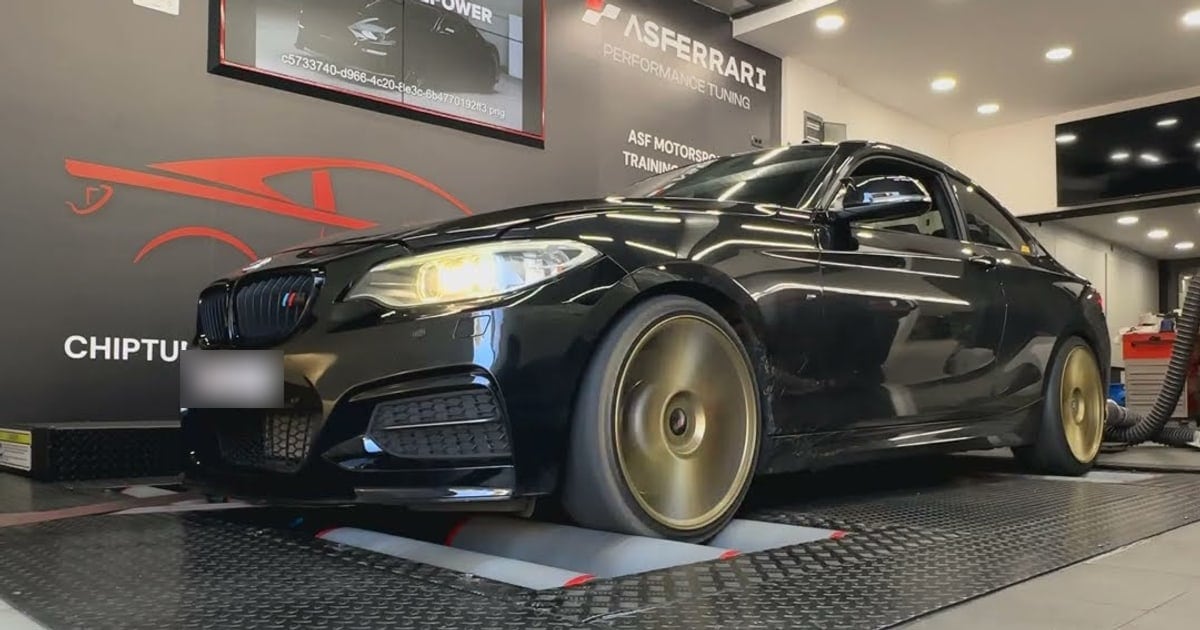
First off, think of your car’s engine management system as its brain, processing oodles of data to optimize performance. Chiptuning essentially rewires the communication between the car’s brain and its body. This can lead to improved horsepower and torque, making driving feel like a whole new experience. However, just like how giving your body too much caffeine can lead to jitters, improper chiptuning can cause your engine to behave erratically.
Now, safety is key. If you’re considering chiptuning, you must ensure it’s done by a reputable professional. Think of it as choosing a skilled chef to prepare your meal; you wouldn't trust just anyone to whip up your favorite dish, right? A high-quality tuner will fine-tune performance without pushing the engine beyond its limits.
On the flip side, going cheap or DIY can lead to a mess—think of that one time you tried to bake a cake without following the recipe. You might end up with overheating issues, increased wear and tear, or even catastrophic engine failure. Yikes!
Moreover, tuning can influence your vehicle’s warranty. Many manufacturers won’t cover damage if they find out you've tampered with the engine settings. So, would you risk your warranty for a bit more horsepower? It’s definitely something to ponder.
In summary, chiptuning can add that extra thrill to your drives, but like any upgrade, it comes with its own set of considerations. Make informed decisions and treat your car with the care it deserves!
Chiptuning Uncovered: Safety Concerns Every Car Owner Should Know
Chiptuning is like giving your car a new brain. By reprogramming the engine control unit (ECU), it can enhance things like horsepower and fuel efficiency. Sounds great, doesn’t it? But here’s the kicker: this newfound power can come with risks. Imagine your car being a finely tuned musical instrument. If you tweak it too much, it might go out of tune—badly.
One of the primary concerns is reliability. When you push your engine beyond its intended design, you might be courting trouble. Higher performance often means higher stress on crucial engine components. It’s like lifting weights; sure, you can bulk up, but if you don’t do it right, you could end up injured.
Then there’s warranty. Did you know that many manufacturers frown upon chiptuning? It’s true! Altering your vehicle’s settings might void the warranty, which means if something goes wrong, you could be left in the lurch, responsible for all repair costs. It’s a gamble that not every driver is willing to take.
And let’s not forget about emissions and legality. Depending on where you live, chiptuning could make your car non-compliant with local regulations. Imagine zipping down the highway, only to see flashing lights behind you because your car doesn’t meet emission standards. Not fun!
So, before you dive headfirst into chiptuning, weigh the pros against these potential pitfalls. Yes, it can be thrilling—but at what cost? Keeping safety in mind could save you from a world of trouble down the road.
The Dark Side of Chiptuning: Is Your Engine at Risk?
Now, think about your car's engine like a finely-tuned orchestra. Each part needs to work in harmony for that sweet symphony of performance. When you mess with the engine's computer—essentially a conductor directing this orchestra—you might get louder notes, but also a cacophony that could lead to disarray. The engine isn’t just going to love you unconditionally; it has its limits. Pushing those limits with aggressive chiptuning can lead to increased wear and tear. You could end up with blown gaskets or overheating issues, turning that roaring engine into a sad, silent hunk of metal.
And don't get me started on warranty issues! If you’ve got a warranty, chiptuning might well be the equivalent of tossing it right out the window. Manufacturers often treat these modifications like they’ve been doused in a no-good, very bad fairy tale potion. If something goes wrong, they might wave goodbye to your coverage, leaving you with a hefty repair bill.
So, is it worth it? The thrill of speed and the allure of power can be tempting, but sometimes, the risk might outweigh the reward. Just like that latest viral challenge on social media—fun until you find yourself in a sticky situation! Balancing performance with reliability is key, and it’s something every driver should think about before taking the plunge.
Boosting Performance or Risking Reliability? The Safety Debate on Chiptuning
Chiptuning can elevate your car’s performance to new heights. Think of it like upgrading the engine’s brain with a custom set of instructions, making it more efficient and responsive. You’re essentially taking your car from zero to sixty in a heartbeat, potentially enhancing not just speed but also fuel economy. It’s like giving your car a fresh dose of motivation—it feels great on the open road!
But here’s the twist. With increased power comes the potential for wear and tear. When you push your engine beyond its factory settings, you're walking a fine line. Have you ever stretched a rubber band too far? At some point, it’s going to snap. Similarly, chiptuning can lead to issues like overheating or premature wear on components that weren’t designed to handle that extra load. It’s a bit like putting in a high-performance sports engine into a car that’s built for comfort—certain compromises may come back to haunt you.
So, we’re faced with a choice: do we want the thrill of that extra horsepower, or do we value the longevity and reliability of our trusty steeds? It’s a safety debate that each car owner must tackle. Is it worth the risk, or should we enjoy the ride as it was originally designed? Just something to think about next time you're considering that chiptuning upgrade!
Chiptuning: Enhancing Performance or Endangering Your Vehicle?
Now, the idea of squeezing more horsepower and torque out of your vehicle will surely get any car enthusiast’s heart racing. Who wouldn’t want to feel that exhilarating burst of speed when you step on the gas? But hold on; there’s a flip side to this shiny coin. Is all that extra power worth the potential risks?
When you chiptune your car, you're basically playing with its factory settings. It's like adding hot sauce to a perfectly cooked dish—too much can ruin the meal. You might end up straining components that were never designed for high performance, leading to premature wear and tear. Not to mention the risk of voiding your warranty. Yikes! Would you want to spend thousands on repairs because you were chasing that adrenaline rush?
What’s more, not all chiptuning services are created equal. Some pros really know their stuff and can make your vehicle sing like a bird, while others might leave you with a clunker. It’s crucial to choose a reputable tuner who has a solid track record. That can be the difference between a thrilling ride and a nightmare scenario.
So, is chiptuning your key to the fast lane or a recipe for disaster? It depends on how you approach it!
Is Chiptuning Safe? Experts Weigh the Pros and Cons for Car Enthusiasts
Chiptuning is like a magic spell for your car’s ECU (Engine Control Unit). It removes software restrictions, allowing your engine to run more efficiently and produce more power. Sounds amazing, right? However, with great power comes great responsibility. Experts caution that chiptuning can lead to increased wear and tear on engine components. It’s like taking a couch potato and training them for a marathon overnight—sure, they might get faster, but their knees could buckle under the pressure.
Now, you might wonder about the effects on fuel economy. Well, chiptuning can potentially improve it, but if you mash the pedal to the metal more often, don’t be surprised when you see those fuel numbers shooting through the roof. Isn’t it just like going all out at a buffet—you might enjoy a feast, but your waistband could tell a different story!
On the flip side, some enthusiasts report enhanced throttle response, making the car feel more alive and engaging. It’s thrilling, almost like feeling the pulse of the car beneath your palms. But remember, not all chiptuning is created equal. There’s a thin line between performance and reliability, and going with a shady tuner can lead to disastrous consequences.
So, is it safe? The answer might just depend on your approach. Choose experienced professionals and be aware of what you’re getting into. After all, a well-tuned car can be a joy, while a poorly tuned one can turn into a ticking time bomb waiting to explode!
Chiptuning Myths Busted: What You Need to Know About Engine Safety
Let’s tackle the first myth: "Chiptuning always improves engine performance." While it’s true that a well-done tune can enhance your engine’s performance, a poorly executed one can lead to headaches—think blown gaskets or overheating issues. It's like giving a racehorse a double dose of energy drink; sometimes, it just doesn't add up and can even cause harm rather than good.
Another common misconception is that chiptuning is a one-size-fits-all solution. If only it were that simple! Every engine is different, just like every person has unique needs. A tune that works wonders for one car might make another sputter like an old lawnmower. It’s essential to consider the specifics of your vehicle, including its make, model, and any existing modifications.
Now, let’s not forget about engine safety. Some folks believe chiptuning jeopardizes engine longevity. Sure, if done incorrectly, it might! But, when handled by a professional, it can be a safe way to optimize your ride. Think of it like a tailored suit: when it fits just right, it not only looks good but feels good too.
So, before you dive headfirst into the chiptuning pool, take a moment to separate fact from fiction. A little knowledge goes a long way in keeping both your engine and your wallet safe. Curious about the next step?
Revving Up Risk? Evaluating the Safety of Chiptuning for Your Car
Chiptuning involves modifying your car's electronic control unit (ECU) to enhance its performance. Think of your car’s ECU like its brain, directing everything from fuel injection to ignition timing. By reprogramming this brain, you can crank up horsepower and torque, giving you a thrilling ride. It’s like giving your trusty old steed a shot of espresso. Sounds great, right? But here’s the kicker—tinker too much and you might just end up with a temperamental beast instead of a finely tuned machine.
Let’s dive into the risks. First off, chiptuning can void warranties. Imagine finally getting that dream car, only to have warranty coverage slip through your fingers after a minor tweak. Ouch. There’s also the possibility of compromising engine longevity. By pushing your car’s limits, you might end up with overheating or excessive wear—talk about a buzzkill!
Now, you might ask, “But what about the benefits?” Sure, enhanced performance and efficiency can be like icing on the cake. Properly tuned cars can achieve better fuel economy and a delightful throttle response. But remember, not all tuners are created equal. It’s crucial to choose a reputable expert who knows your car inside out, like picking a seasoned chef for that fancy dinner.
In the grand scheme of things, chiptuning is like a wild roller coaster ride—exciting yet somewhat terrifying. Weigh the pros and cons, do your homework, and make sure your ride doesn’t become a haunted house on wheels!
Frequently Asked Questions
What Should I Consider Before Chiptuning My Vehicle?
Before enhancing your vehicle’s performance through chiptuning, consider factors such as your vehicle’s current condition, warranty implications, potential impacts on engine longevity, the reputation of the tuning provider, and any legal regulations regarding emissions and modifications in your area.
How Can Chiptuning Affect My Car’s Warranty?
Chiptuning can modify your car’s engine performance by altering the vehicle’s electronic control unit (ECU). This change may void your warranty, as manufacturers often stipulate that unauthorized modifications can lead to warranty denial. It’s essential to check your warranty terms and consult your dealer before proceeding with chiptuning.
Is Chiptuning Safe for My Car’s Engine?
Chiptuning can enhance your car’s engine performance by optimizing fuel delivery and ignition timing. However, it may void warranties, increase wear, and affect reliability depending on the tuning quality and modifications. It’s crucial to choose a reputable tuner and understand the potential risks involved.
What Are the Risks of Chiptuning?
Chiptuning can enhance vehicle performance by optimizing engine parameters, but it also carries risks. Potential issues include voiding warranties, decreasing engine lifespan, triggering error codes, and regulatory non-compliance. Furthermore, improper tuning may lead to engine damage, reduced fuel efficiency, or increased emissions. It’s essential to weigh these risks against the potential benefits before proceeding with chiptuning.
Will Chiptuning Improve Fuel Efficiency Safely?
Chiptuning can potentially enhance fuel efficiency by optimizing engine parameters for better combustion and performance. However, it’s essential to ensure that the tuning is performed correctly and safely by professionals to avoid damaging the engine or voiding warranties. Properly executed chiptuning can lead to noticeable improvements in fuel economy while maintaining engine integrity.